

Wildlife on the Rise in the Tahoe Basin
October 6, 2026 | Member Submitted
Originally posted by TRPA
Spotting a bald eagle at Tahoe is quite a treat. It also tells an important story of Tahoe’s overall health.
As recently as 1996, zero bald eagles were nesting in the Tahoe Basin. The species had not successfully nested here in decades. Over the last 30 years, Lake Tahoe Environmental Improvement Program partners have worked together to restore habitat, monitor populations, and create better conditions for eagles and other wildlife to thrive.
That work is paying off. Since 2005, Tahoe has met or exceeded its bald eagle nesting target every year. After more than 20 years of meeting the goal, it’s time to celebrate that success and set our sights on what comes next.
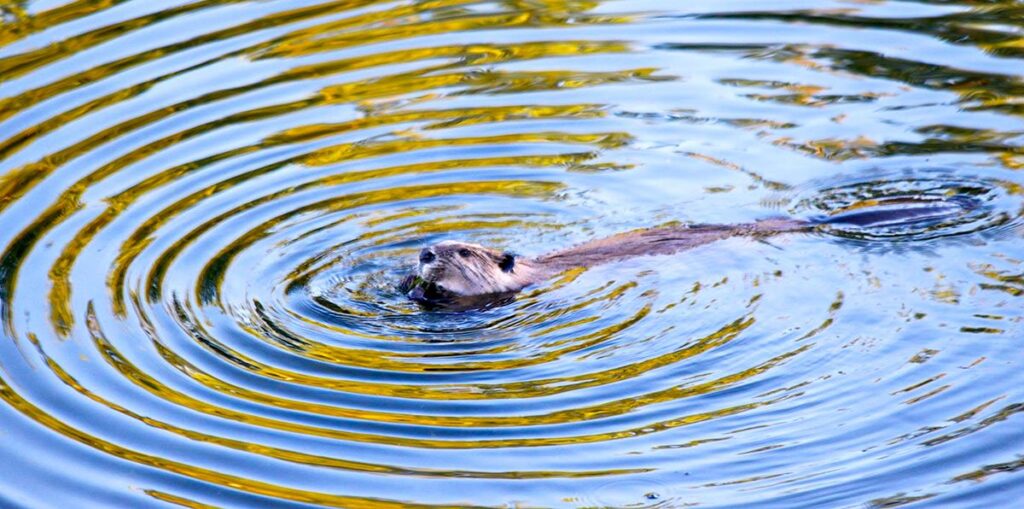
The focus is not only on eagles. Peregrine falcons, other raptors, bears, otters, beavers, bobcats, Lahontan cutthroat trout, and countless other species are part of the interconnected ecosystems that make Tahoe unique.
Wildlife is one of 10 environmental threshold categories that the Tahoe Regional Planning Agency (TRPA) uses to measure environmental health and progress toward regional goals. Many of these thresholds were established in the 1980s, when Tahoe faced different challenges. After decades of monitoring and conservation progress, it’s time to take another look.
TRPA is working with the Tahoe Science Advisory Council, partner agencies, and other experts to evaluate and update the wildlife threshold as part of a broader effort to establish new biodiversity goals for the region.
Here’s a closer look at some recent wildlife wins in the Tahoe Basin.
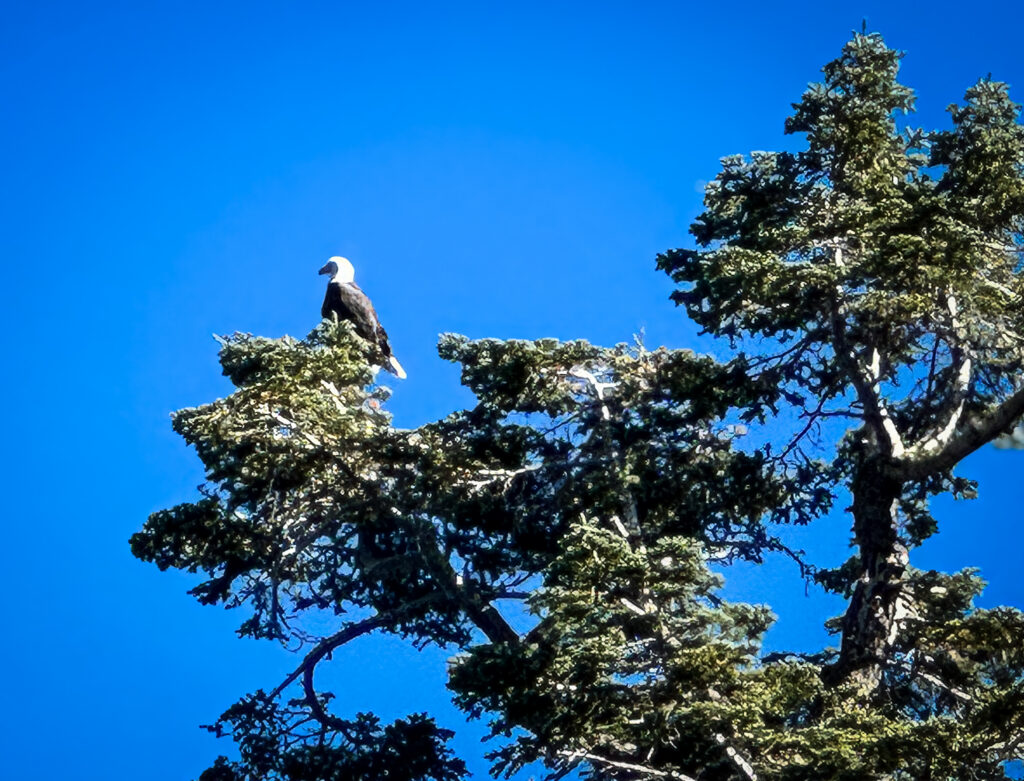
Eagle photo by: Thea Schwartz; Bobcats video by: Ben Fish
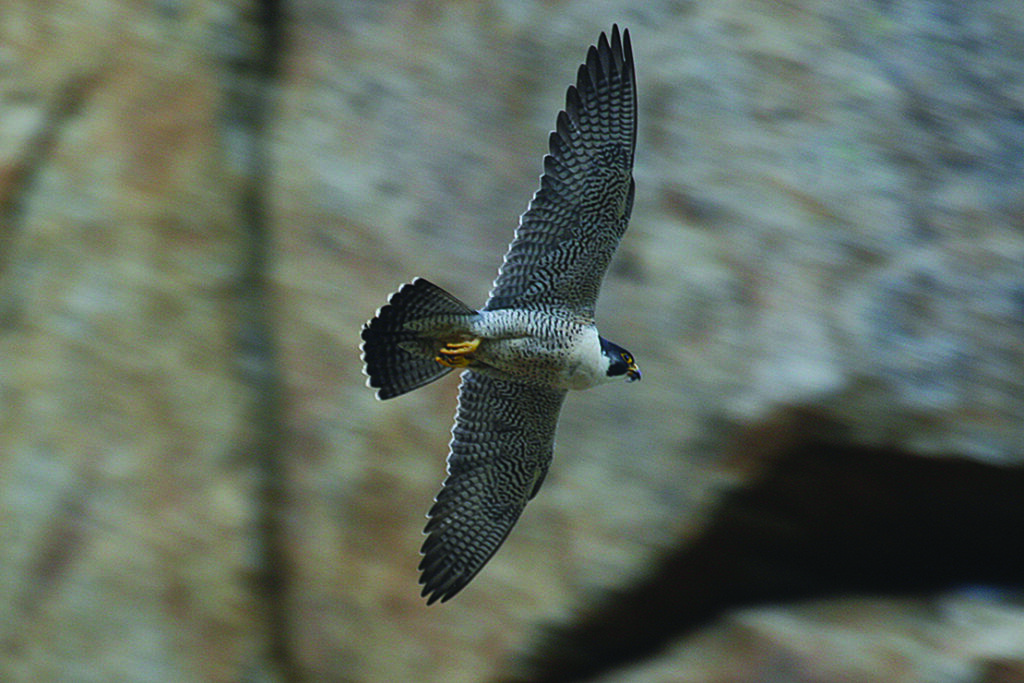
World’s Fastest Bird Takes Flight at Tahoe
Just this summer, a pair of peregrine falcons—the world’s fastest bird, capable of reaching speeds of more than 200 miles per hour—successfully raised and fledged two chicks at Castle Rock in the southeast corner of the Tahoe Basin. Fledging means the young birds developed the feathers and strength they needed to leave the nest and fly on their own.
After an unsuccessful nesting attempt last year, seeing two chicks successfully fledge this summer is an encouraging sign. It’s another bright spot in the remarkable recovery of a species that was once at risk of extinction.
For nearly a decade, the Tahoe Institute for Natural Science (TINS), TRPA, and partners have monitored peregrine falcons at five nesting locations around the basin.
During nesting season at Castle Rock, the U.S. Forest Service placed temporary trail and climbing warning signs near active nests to reduce human disturbance while young birds develop and prepare to fledge. Research has found that activity above nesting cliffs can be particularly disruptive to raptors.
The project is a true partnership between TINS, the Forest Service Lake Tahoe Basin Management Unit, Nevada Division of Wildlife, TRPA, Sierra Ecotone Solutions, and dedicated volunteers and supporters.
In 2026, TINS also launched a Peregrine Falcon Volunteer Ambassador Program, allowing community members to assist with monitoring and learn firsthand about peregrine falcon ecology and conservation.
Through Team Tahoe partnership and monitoring, we can better understand and protect peregrine falcons and other raptor species in the Tahoe Basin.
Peregrine falcon photos by: Sarah Hockensmith and Will Richardson, Tahoe Institute for Natural Science